Book of the Month: February:
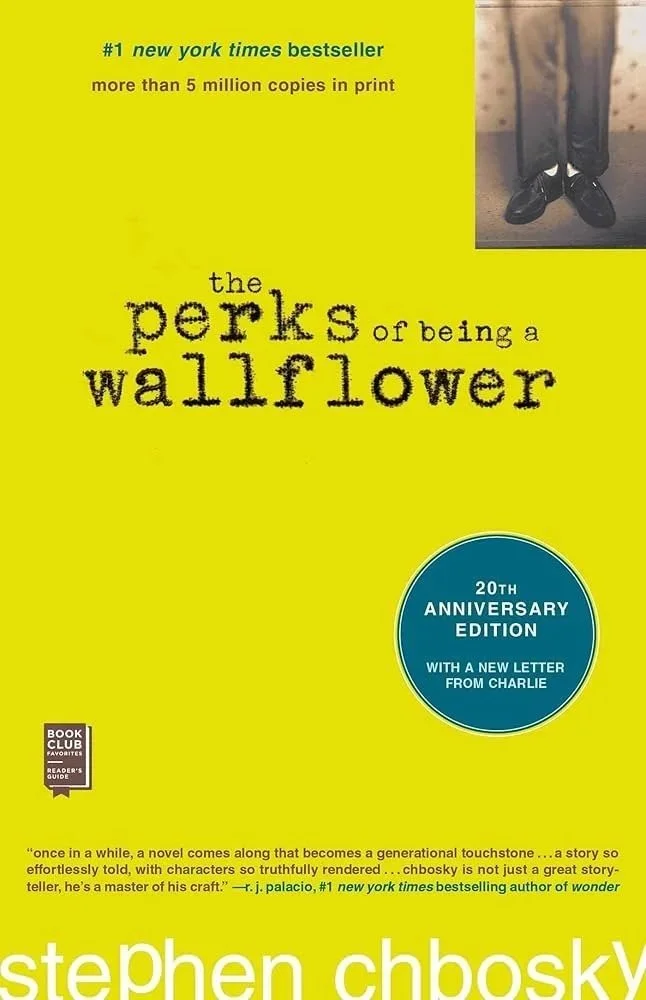
The Perks of Being a Wallflower by Stephen Chbosky
by: Danny Farina, Co-Editor-in-Chief
The Perks of Being a Wallflower by Stephen Chbosky is an introspective and quietly moving coming-of-age novel that explores the fragile, confusing experience of adolescence—though it doesn’t always reach the emotional depth it seems to promise. When we introduced this book as the Book of the Month for February, first impressions were that it was simply about a shy teenager trying to survive high school, which is very true but that is not the whole story whatsoever.
The novel follows Charlie, a thoughtful and observant freshman who seems to experience life from the margins rather than the center. Through a series of letters written to an anonymous reader, we are allowed into his internal world—one that is often filled with wonder, confusion, loneliness, and an almost painful level of sensitivity. As Charlie navigates friendships, first loves, and the quiet turbulence of growing up, the novel reflects on what it means to feel deeply in a world that often expects you not to.
At its best, The Perks of Being a Wallflower captures the peculiar intensity of teenage life: the moments that feel infinite, the music that seems to define entire seasons of your life, and the friendships that feel less like coincidence and more like destiny. It portrays the experience of watching others live loudly while you observe quietly—of standing just outside the moment, yet feeling everything all at once.
However, while the novel gestures toward profound emotional insight, some of its revelations and character moments arrive with less weight than they might have carried. The story sometimes leans on familiar coming-of-age conventions, which can soften the impact of the deeper themes it attempts to explore.
Even so, the book remains a reflective portrait of adolescence—one that understands the strange beauty of feeling too much, too early, and all at once. It is not necessarily a perfect novel, but it is an honest one, and there is something quietly compelling about inhabiting Charlie’s perspective for a while.